
- Online Report | Patient Login
- Whatsapp +92 (0)343 9211748

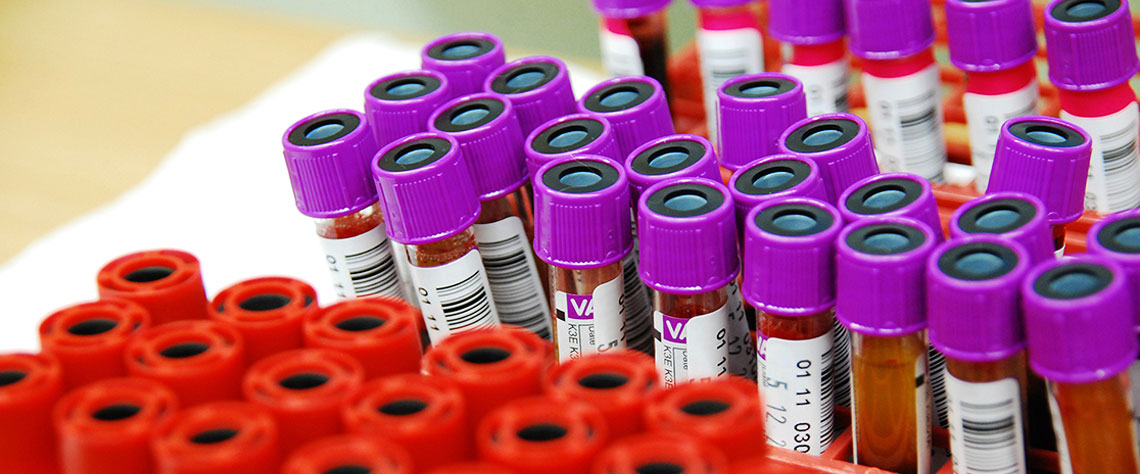
What is Pathology ?
Pathology is the medical specialty concerned with the study of the nature and causes of diseases.
It underpins every aspect of medicine, from diagnostic testing and monitoring of chronic diseases
to cutting-edge genetic research and blood transfusion technologies. Pathology is integral to the diagnosis of every cancer.
Pathology plays a vital role across all facets of medicine throughout our lives, from pre-conception to post mortem.
In fact it has been said that "Medicine IS Pathology".
General pathology
General pathology describes the scientific study of disease which can be described as any abnormality that is causing changes
in the structure or function of body parts. In pathology, the causes, mechanisms and extent of disease may be examined.
The resulting changes in the structure or function of a body part and significance of the disease is also considered.
A general pathologist would usually be familiar with all aspects of laboratory analysis and trained in clinical chemistry,
microbiology and hematology, for example, but their knowledge would be less detailed than that of a sub specialist in one of these fields.
Anatomical pathology
This branch of pathology involves the study and diagnosis of disease based on the examination of surgically removed bodily specimens or sometimes of the whole body (autopsy). Aspects of a sample that
may be considered include its gross anatomical make up, appearance of the cells and the immunological markers and chemical signatures in the cells.of these fields.
Clinical pathology
This branch concerns the laboratory analysis of blood, urine and tissue samples to examine and diagnose disease. Typically, for example: laboratories will process samples and provide results concerning blood counts, blood clotting ability or urine electrolytes.
Copyright © 2026 - All Rights Reserved.
Developed by LiveBMS